
Hello, my lovely Greek foodies!
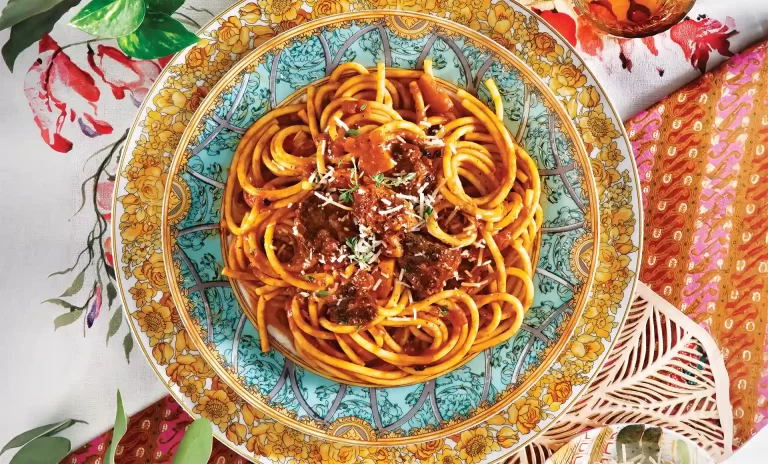
Today, I’m sharing one of my absolute favorite recipes from the amazing Argiro Barbarigou – a classic Greek beef stew in tomato sauce.
This dish is a total success every single time I make it! With melt-in-your-mouth tender beef, aromatic spices, and a rich, flavorful tomato sauce, it’s the perfect recipe to warm you up and impress your loved ones. Trust me, you’ll want to make this again and again!
Now, let’s go through the full recipe, step by step, so you can recreate this delicious dish at home.
| Preparation | 20 minutes |
| Cooking Time | 2 hours |
| Difficulty | Easy |
| Servings | 4-5 |
Ingredients
For the Beef Stew:
- 1.2 kg beef
- 3 cloves garlic
- Salt and pepper to taste
- 4-5 tbsp olive oil
- 1 large onion (finely chopped)
- 2 carrots
- 1 celery stalk
- 1 tbsp tomato paste
- 2 cans whole peeled tomatoes
- 1 cup dry white wine
- 1 cup warm water (or chicken broth)
- 1 bay leaf
- 3 allspice berries
- 3 cloves
- ½ cinnamon stick (use sparingly)
For Serving:
- 1 package thick pasta
- Grated kefalotyri cheese (plenty)

Equipment
- Pot
- Blender
Instructions
- Prepare the Beef: Pat the beef dry with paper towels to remove any moisture.
- Chop Vegetables: Finely chop the onion, carrots, and celery. Chop the garlic and mix it with salt and pepper.
- Season the Beef with Garlic: Make small incisions on the surface of the meat with a pointed knife, and insert the garlic pieces. Tie the beef with cooking twine.
- Sear the Beef: Heat the olive oil in a large, heavy-bottomed pot over high heat. Sear the beef well on all sides, about 7-8 minutes in total, until it forms a golden crust. Remove the beef from the pot and set aside, covered and warm.
- Sauté the Vegetables: Lower the heat and sauté the chopped vegetables for 4-5 minutes, stirring occasionally.
- Add Tomato Paste and Wine: Add the tomato paste and mix well, scraping the bottom of the pot with a wooden spoon. Add the wine and let it evaporate almost completely.
- Return Beef to the Pot: Return the beef to the pot with any juices that have collected on the plate.
- Add Tomatoes: Crush the peeled tomatoes by hand in a bowl, then add them to the pot.
- Simmer: Bring the sauce to a boil, lower the heat, and add the warm water (or broth). Add the bay leaf, allspice, a pinch of salt, and pepper. Cover and simmer over low heat for about 2 hours, or until the beef is tender enough to shred with a fork and the sauce has thickened.
- Finish the Dish: Once the beef is tender, cut it into smaller pieces and let it simmer in the sauce for an additional 10-15 minutes, allowing it to absorb the sauce. Adjust salt and pepper as needed.
- Add Aromatics: Near the end of cooking, wrap the cloves and cinnamon in a cheesecloth, add to the pot, and allow the stew to absorb the spices’ sweet aromas. Remove the spices before serving.
For the Pasta
Serve immediately, topped with grated kefalotyri cheese.
Boil the thick pasta in plenty of salted water. Drain well and mix with a bit of sauce from the beef to coat it.
Tips & Secrets
- Proper Searing: Bring the meat to room temperature before cooking, as cold meat can lower the oil’s temperature, preventing a proper sear.
- Deglazing: Each time you sear meat, juices crystallize on the pot’s base. Deglaze with wine or broth, scraping up these flavorful bits. This process enhances the dish’s depth of flavor.
- Essential Flavor Trio: Onion, carrot, and celery add incredible flavor to the stew, so don’t skip them.
- Tomato Paste: Sautéing a bit of tomato paste enriches the sauce’s flavor, adding a subtle sweetness and helping the sauce to meld beautifully.
- Tender Beef: Patience is key. Slow-cooking the beef over low heat for about 2 hours allows the connective tissues to break down, making the beef tender and melt-in-your-mouth.
Καλή Όρεξη!
And if you’d like to try the original recipe in Greek and practice your Greek skills, you can find it here.
Enjoy!