
Feeling confident in Greek? Read the full article in Greek for a challenge →
Όχι: Η Τολμηρή Στάση της Ελλάδας που Άλλαξε την Πορεία του Β’ Παγκοσμίου Πολέμου
3 a.m., October 28, 1940
The Italian ambassador Emanuele Grazzi stepped into the dimly lit house of Ioannis Metaxas, the Greek Prime Minister. It was an unusually quiet night, a deceptive calm that seemed to foreshadow the turmoil about to unfold. Grazzi, tense but determined, handed Metaxas a document – an ultimatum from Mussolini himself. It demanded that Greece allow Italian forces to enter and occupy key strategic points across the country, essentially surrendering Greek sovereignty to the Axis powers.
Metaxas read the document in silence. As he looked up, his face betrayed no fear, only a steely resolve. A heavy silence hung in the room, the weight of history bearing down on the moment. Grazzi, understanding the gravity of his mission, awaited Metaxas’s response. But in his heart, he likely already knew the answer.
Breaking the silence, Metaxas spoke in calm yet resolute French, “Alors, c’est la guerre” – “Then, it is war.”
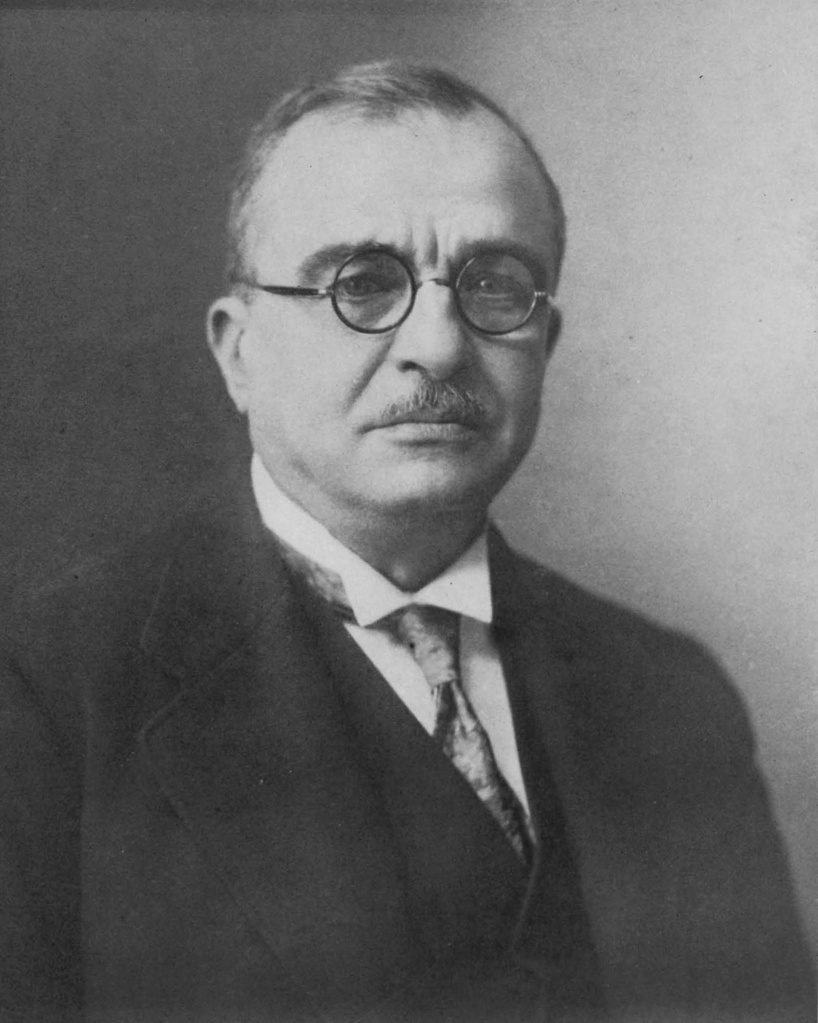
“Alors, c’est la guerre”
Metaxas’s message was clear. Greece would not yield, it would not bow, and it would not compromise its freedom. By dawn, word of his answer had spread. The Greek people, inspired and resolute, flooded the streets, chanting a single, unified cry: “OXI!” – “NO!” They shouted this refusal with pride, their voices echoing across the mountains and villages of Greece. What had begun as the decision of one man had ignited an entire nation’s spirit.
Greece’s Stand Against the Axis Powers
After Metaxas’s rejection, Italian forces, expecting a quick victory, launched an invasion of Greece from Albania, beginning what is now known as the Greco-Italian War. Despite being outnumbered and less equipped, the Greek army managed to drive back the Italian forces into Albania. This unexpected Greek victory was not only a military triumph but also a morale booster for the Allied forces, who were struggling in many parts of Europe. Winston Churchill famously praised the Greeks, stating, “Hence, we will not say that Greeks fight like heroes, but that heroes fight like Greeks.”
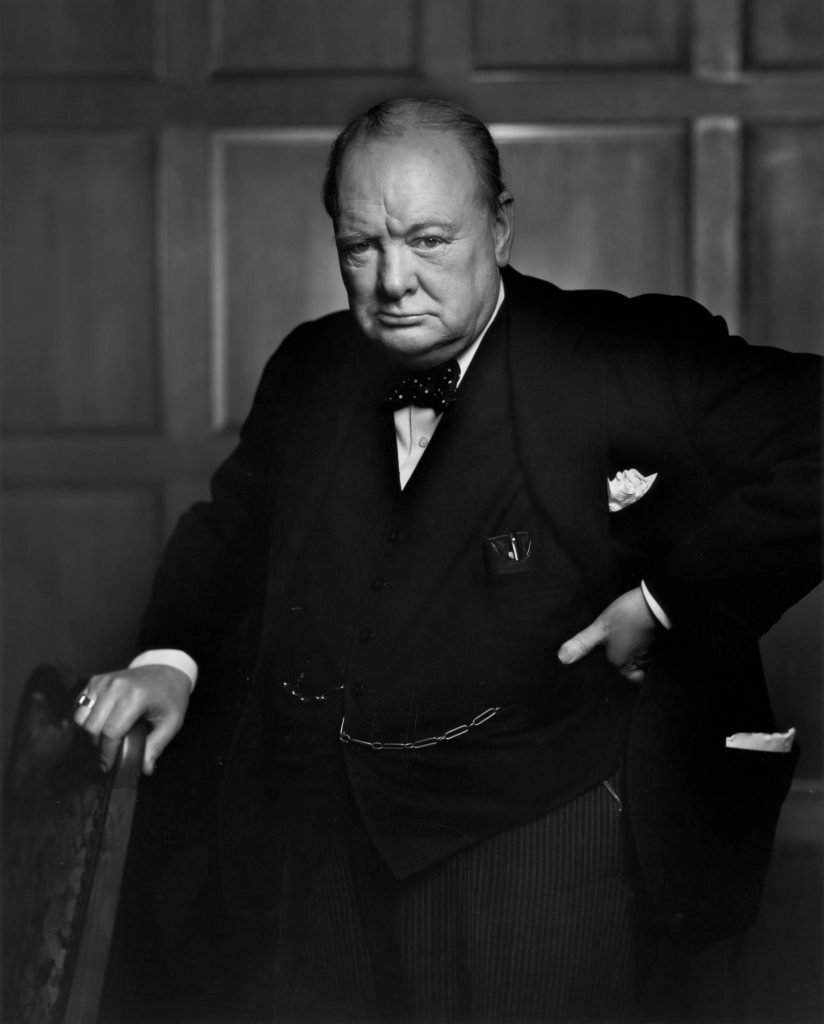
“Hence, we will not say that Greeks fight like heroes, but that heroes fight like Greeks.”
Greece, a small nation in the throes of war, had become the first to resist the Axis onslaught successfully.
But Greece’s fight for freedom came at a terrible cost. By April 1941, Nazi Germany had intervened to support Italy, and a devastating occupation of Greece began. Yet, even then, Greece refused to be broken. Resistance groups took to the mountains, carrying on the fight for liberation against all odds.
The World Watches in Awe
While the Axis occupation brought suffering, Greece’s courage and defiance had already made an impact. Greece’s resistance delayed Hitler’s military plans and forced his armies to push back their invasion of Russia, which had devastating consequences for the Axis powers. Hitler’s forces, now facing the brutal Russian winter, found themselves at a critical disadvantage, setting the stage for a turning point in the war. Greek resistance not only ignited hope but played a crucial role in shifting the war’s momentum in favor of the Allies.
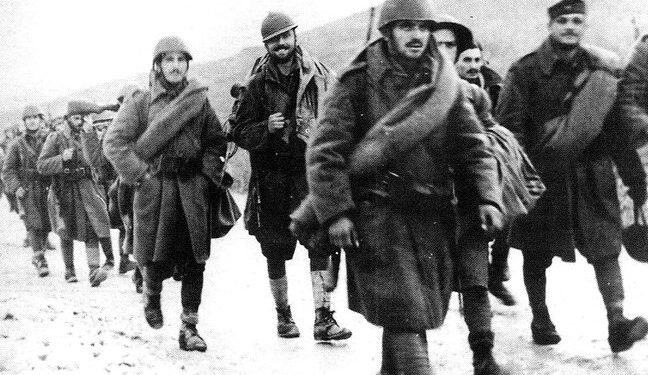
President Franklin D. Roosevelt himself praised Greece’s resolve, saying, “When the entire world had lost all hope, the Greek people dared to question the invincibility of the German monster, raising against it the proud spirit of freedom.” This statement captured the sentiment of countless around the world, who viewed Greece as a symbol of unyielding courage. Greece became the subject of international admiration, with publications like Life Magazine featuring its bravery on their covers. The small nation had inspired millions, and its stand was acknowledged by global leaders.
Nazi General Wilhelm Keitel, Hitler’s chief of staff, later admitted the significance of Greece’s resistance. He stated, “The German attack against Russia was delayed by two or more crucial months by the Greeks; if we had not had this lengthy delay, the outcome of the war would have been different.” Greece, though physically overpowered, had delivered a pivotal blow that would echo far beyond its borders.
Celebrating OXI Day: A Legacy of Defiance
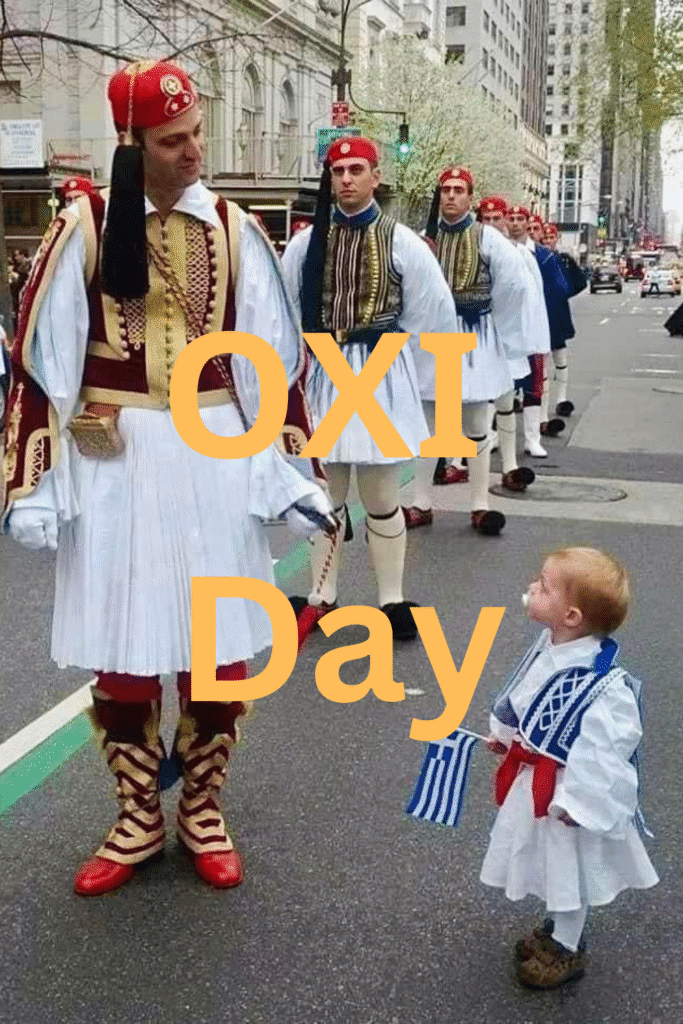
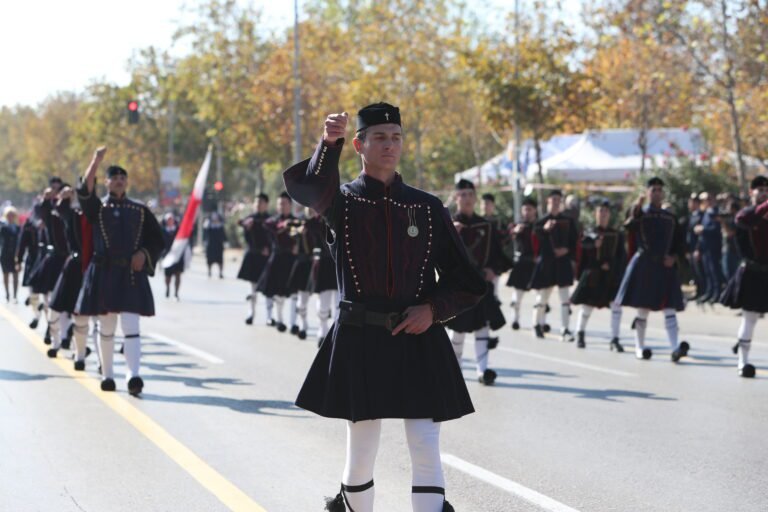
Today, October 28 is known as OXI Day, a national holiday celebrated not only across Greece but in Greek communities worldwide, from North America and Australia to Germany and beyond. Parades, ceremonies, and memorials mark the day, with people flying the Greek flag high and recalling the bravery of their ancestors. The young and the old march in unity, remembering that moment in history when Greece chose honor over submission.
For Greece, OXI Day is more than just history; it’s a reminder that freedom is worth any sacrifice. The spirit of OXI Day endures as a beacon of hope, illuminating the path of resilience for generations to come.
Advanced Greek learners: read the Greek version and discover more vocabulary →
Όχι: Η Τολμηρή Στάση της Ελλάδας που Άλλαξε την Πορεία του Β’ Παγκοσμίου Πολέμου