
Navigating Greek social media can be an enriching experience, offering insight into the unique blend of cultural references, humor, and communication styles of the Greek online community.
Platforms like Facebook, Instagram, and Twitter are widely used in Greece, and while English phrases are sometimes mixed in, a significant portion of the conversation happens in Greek.
Understanding some key elements of Greek social media culture and common phrases can help you engage better with the content and interact with users.
1. Greek Social Media Culture:
- Sarcasm & Dark Humor: Greeks are known for their love of sarcasm and ironic humor. Often, their posts or comments are laced with this style, poking fun at everyday frustrations, political issues, or cultural trends.
- Political Awareness: Greece has a deeply political culture, and discussions about politics are frequent on social media. Many users express opinions about local and global issues, including economic concerns, government policies, and social justice topics.
- Memes and Pop Culture: Memes are a central part of Greek online culture. Greeks often use international memes and adapt them to local contexts. Greek celebrities, politicians, or media personalities are also common subjects for memes.
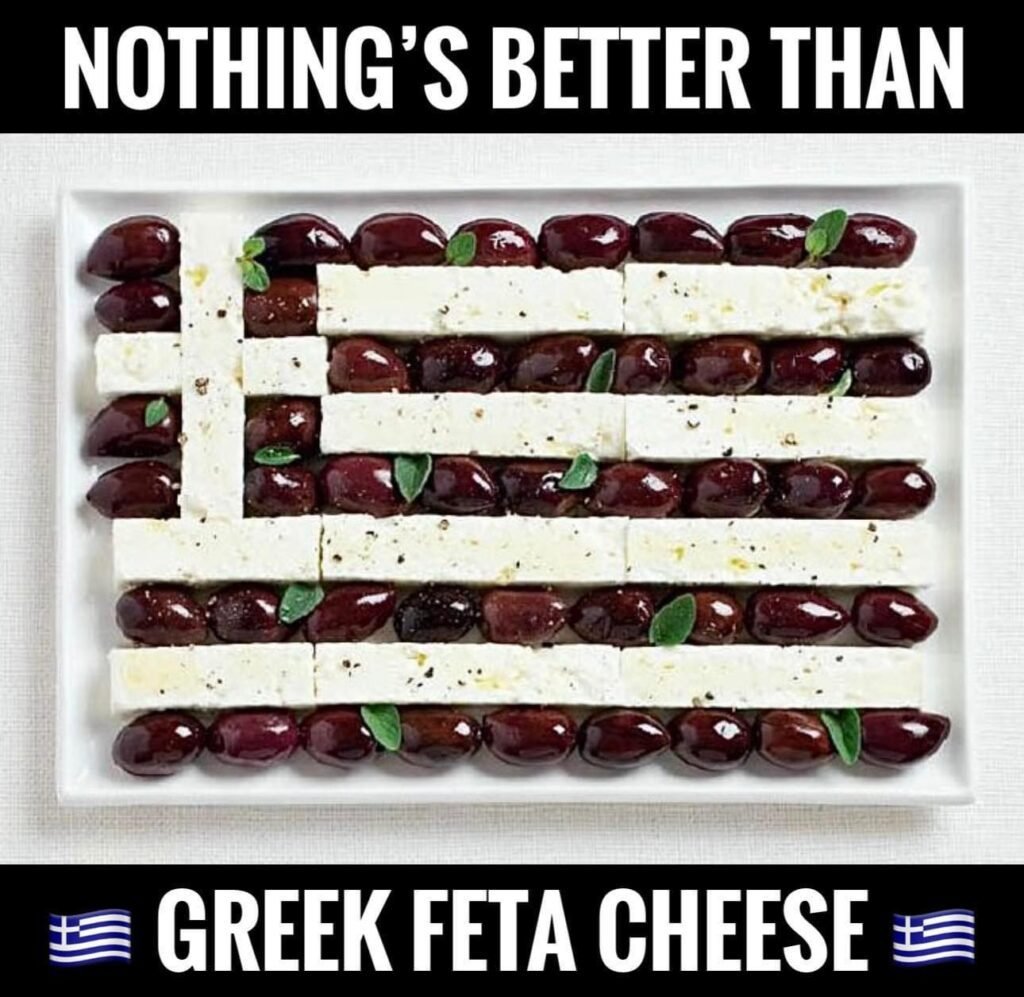
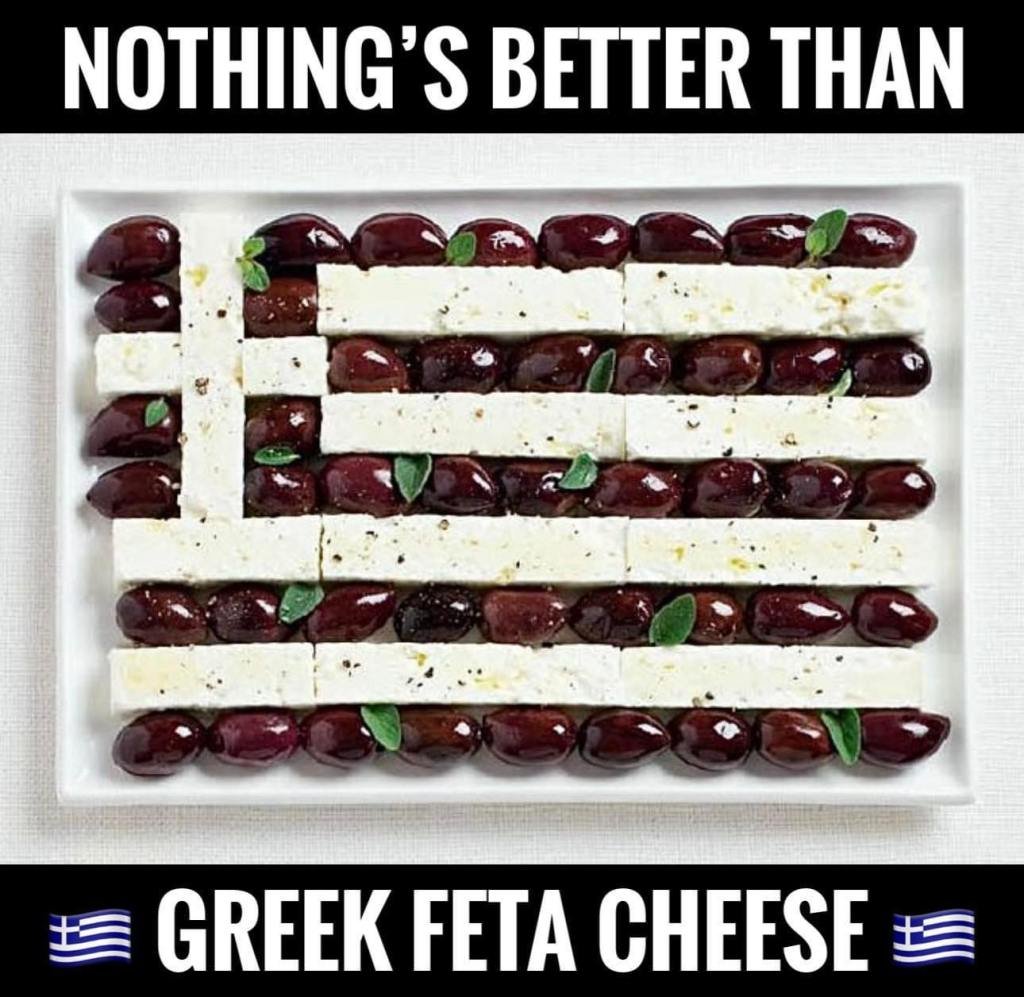
- Collective Identity: There’s a strong sense of national pride on Greek social media, where users celebrate Greek traditions, cuisine, and historical references. Greek Independence Day or Orthodox Easter, for example, are major occasions where you’ll see an influx of patriotic posts.
- Expressions of Emotion: Greeks are known for their passionate communication style. Online, this is reflected in the way they comment and interact, often showing strong emotions, whether it’s excitement, frustration, or affection.
2. Common Phrases and Abbreviations:
Below are some typical Greek phrases and expressions commonly seen on Facebook, Instagram, and Twitter:
Greetings & Common Interactions:
- Καλημέρα (Kaliméra) – “Good morning.” A common greeting, especially in the morning posts or stories.
- Καλησπέρα (Kalispéra) – “Good evening.” Used similarly to “good morning” but for later in the day.
- Καλό μήνα (Kaló Mína) – “Happy new month.” Greeks love marking the beginning of the month with this phrase.
- Καλή εβδομάδα (Kalí Evdomáda) – “Good week.” Often used on Mondays or the beginning of the week.
- Χρόνια πολλά (Hrónia Pollá) – “Happy birthday” or “Many happy returns.” Also used for namedays (a big deal in Greece), national holidays, or any major celebration.
Common Reactions & Comments:
- Ό,τι καλύτερο (Ó,ti Kalίtero) – “The best!” Used to express approval or excitement, often for positive posts like achievements or events.
- Είσαι θεός/θεά (Íse Theós/Theá) – “You’re a god/goddess.” A way to compliment someone, usually in a playful or exaggerated tone.
- Μπράβο (Brávo) – “Well done.” A very common word to show admiration or congratulations.
- Χαμός (Chamós) – Literally meaning “chaos,” but used to say something was crazy fun or amazing, like a wild event or concert.
- Τέλειο (Télio) – “Perfect.” Used for anything that is impressive or beautiful.
- Απίστευτο (Apístefto) – “Unbelievable.” Expresses astonishment, often for something surprising or funny.
- Όλα Καλά (Ola Kalá) – “All good.” This expresses positivity or contentment.
- Φοβερό (Foveró) – “Awesome” or “Terrific.” Often used to express admiration or excitement for something impressive.
- Συγχαρητήρια (Seencharitíria) – “Congratulations.” A formal or informal way to congratulate someone on an achievement.
- Τι λες τώρα (Ti les tóra) – “What are you saying?” Used to express disbelief or amazement, similar to saying “No way!” in English.
- Άψογο (Ápsogo) – “Flawless” or “Impeccable.” Used when something is done perfectly or without any faults.
- Κορυφαίο (Koryfaίo) – “Top” or “Best.” A casual way to say something is excellent or the best in its category.
- Θεϊκό (Theïkó) – “Divine.” Used to describe something absolutely amazing, often for food or experiences.
- Επικό (Epikó) – “Epic.” Used in a humorous or exaggerated way to describe something unforgettable or grand.
- Τρομερό (Tromeró) – “Terrific” or “Amazing.” Can be used in both positive and negative contexts, but most commonly for something incredible.
- Πωωω (Póo) – “Wow.” An informal expression of amazement, often written with multiple “o”s for emphasis.
- Ό,τι να ‘ναι (Ó,ti na ‘ne) – “Whatever.” Used to express that something is random, nonsensical, or just plain bizarre.
Popular Abbreviations:
- Τλκ (tlk) – Short for τελικά (teliká), meaning “finally” or “in the end.” This abbreviation is common in texting and social media comments.
- Γτ (gt) – Short for γιατί (yiatí), meaning “why.”
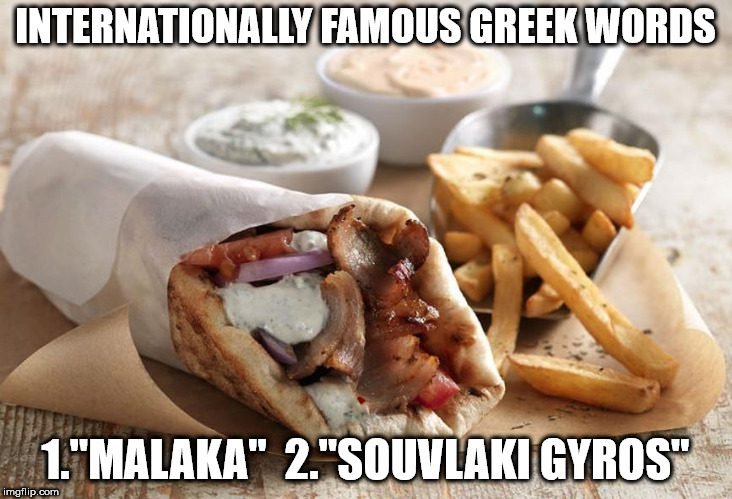
- Μλκ (mlk) – Short for μαλάκα (maláka), a slang word meaning “dude” or “jerk” depending on context. Be cautious with this one, as it can be offensive or friendly depending on how it’s used.
Expressions of Humor:
- Πάλι καλά (Páli Kalá) – “Thank goodness” or “Could’ve been worse.” Often used in a sarcastic or humorous way.
- Κλαίω (Kléo) – “I’m crying.” This is a common way to say something is hilariously funny, similar to “LOL” or “dying of laughter.”
- Εδώ γελάμε (Edó geláme) – “Here we laugh.” A humorous phrase used to show something is ridiculously funny or absurd.
- Πεθαίνω (Pethéno) – “I’m dying.” A dramatic way to express that something is extremely funny.
- Καλά, αυτό είναι άλλο level (Kalá, aftó eínai állo level) – “Okay, this is on another level.” Used to describe something that’s exceptionally funny or outrageous.
- Δεν υπάρχει (Den ipárchee) – “It doesn’t exist.” Used humorously to describe something that’s out-of-this-world crazy or unbelievable.
Emojis and Symbols:
- Greek Flag (🇬🇷): Often used in patriotic or celebratory posts, especially during national holidays.
- Evil Eye (🧿): The “mati” (eye) is a symbol to ward off bad luck and is often posted as an emoji in comments or statuses, especially if someone’s celebrating or sharing good news.

Love and Affection in Chats
- Σε αγαπώ (Se agapó) – “I love you.” A common phrase for expressing affection, typically seen between couples or close family members.
- Μου λείπεις (Mou lípis) – “I miss you.” Used in emotional or heartfelt posts.
- Σε σκέφτομαι (Se skéftome) – “I think of you.” It’s a heartfelt way to express that someone is on your mind
- Φιλιά (Filiά) – “Kisses.” A friendly, casual way to end a message or comment.
3. Engaging on Greek Social Media:
- Tagging Friends: Like most social media users worldwide, Greeks love tagging their friends in posts, especially memes, or to call attention to funny or relevant content.
- Facebook Groups and Pages: Greeks frequently use groups to discuss niche topics, from political discourse to local community matters or hobbies.
- Instagram Stories: Instagram stories are very popular for sharing day-to-day life, especially about food, family outings, or Greek nightlife.
- Political & Social Discussions: Be mindful that debates about politics or social issues can get heated. While it’s acceptable to voice opinions, it’s important to stay respectful and aware of cultural sensitivities.
Understanding these aspects will help you enjoy Greek social media in a more engaging and authentic way!