So, you’ve decided to learn Greek. Συγχαρητήρια (siharitiria) – Congratulations!
You’ve picked out your flashcards, dusted off your old high school grammar book, and even subscribed to that fancy app that keeps sending you passive-aggressive notifications about how long it’s been since you last practiced. But wait – how many words do you actually need to know to speak Greek? 10,000? 1,000? Just enough to order coffee without accidentally summoning the devil? Let’s find out!
The Magic Number: 500 Words
Let’s start with the basics. According to Paul Nation, a renowned linguist, language acquisition expert and author of Learning Vocabulary in Another Language, knowing around 500 of the most frequently used words in any language (including Greek!) allows you to understand up to 75% of everyday spoken language. That’s right, folks. Five. Hundred. Words. In other words, your vocabulary only needs to be slightly larger than a toddler’s to start communicating effectively. You’ll be at the stage where you can confidently point at things and say “this,” “that,” and “where’s the bathroom?” Or, in Greek, αυτό (afto), εκείνο (ekeeno) and πού είναι η τουαλέτα; (pu eene i tualeta?)
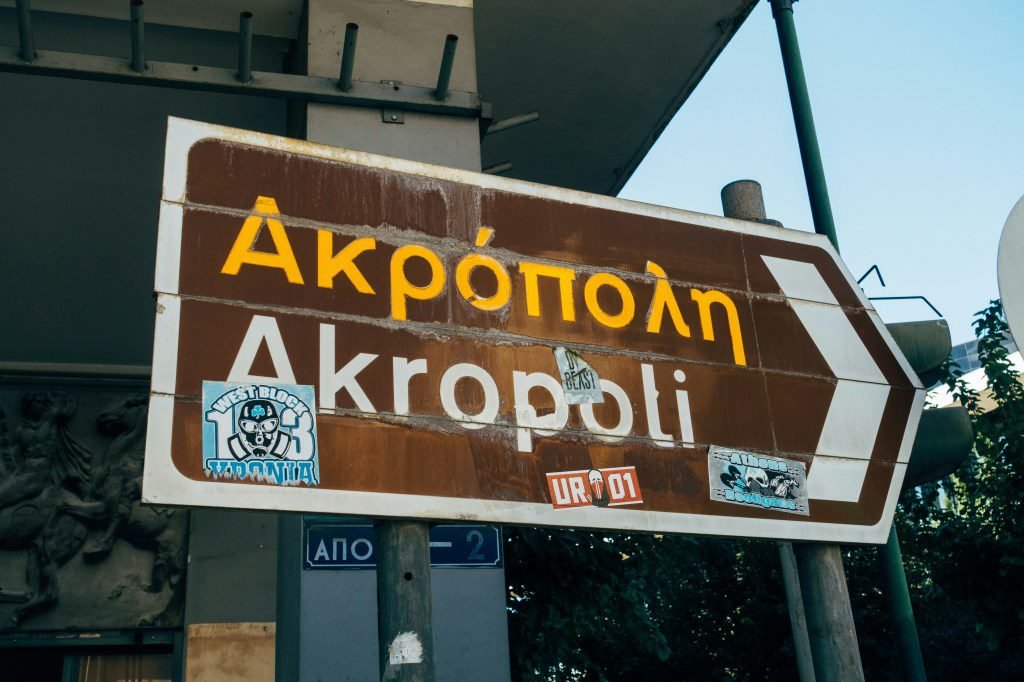
Beyond the Basics: 1,000 – 3,000 Words
If you want to move past caveman-style grunting and pointing, aim for 1,000 to 3,000 words. This range allows you to hold basic conversations, navigate travel situations, and even have a decent stab at small talk. Barry Farber, author of How to learn Any Language, suggests that knowing around 2,000 words is sufficient to get by in most everyday situations. At this level, you’ll be able to discuss the weather, your job, and perhaps even the plot of that TV show everyone is raving about. You’ll impress strangers and be slightly less reliant on hand gestures and interpretive dance.
Conversational Mastery: 5,000 Words
Now, if you’re really serious about speaking a language, 5,000 words is your golden ticket. With this many words, you can engage in more complex conversations, express your opinions, and maybe even tell a joke that doesn’t involve a knock-knock setup. Linguist Stuart Webb in his book Researching and Analyzing Vocabulary, states that knowing 5,000 words can help you understand around 95% of written and spoken texts in everyday contexts. You’ll sound like you actually belong in the country, rather than someone who got lost on their way to the Epcot Center. In Greek, you’ll be debating the merits of κρεμμύδι στο σουβλάκι (kremidi sto souvlaki) – onion in the souvlaki.
Fluency: 10,000 Words
Want to sound like a native speaker? Then aim for 10,000 words. According to language acquisition researcher Dr. Aline Godfroid author of Eye Tracking in Second Language Acquisition and Bilingualism this is the level where you start using idioms correctly, make puns that people laugh at (instead of groaning), and understand the lyrics to those catchy Greek songs on the radio. At this stage, people might even mistake you for a local – until you pull out a map and start snapping photos of the street signs.
Going Overboard: 20,000+ Words
If you’re aiming for 20,000 words or more, congratulations! You’ve officially become a walking dictionary. At this point, you’ll know more words than most native speakers use in their daily lives. You’ll be able to read classic literature, understand legal documents, and even argue about obscure philosophical concepts. This level of mastery will allow you to engage with the language on a deeper, more nuanced level, opening up new realms of understanding and expression.

The Reality Check
Let’s be honest, though. Most of us don’t have the time or brain capacity to learn 20,000 words. And that’s okay! The truth is, language learning isn’t just about the number of words you know – it’s about how you use them. So, if you only remember one word from this article, let it be this: “practice.” (Okay, maybe two words: “practice” and “coffee.” You’ll definitely need both. And in Greek: εξάσκηση (eksaskisi) and καφές (kafes))
The TL;DR
To sum it all up:
- 500 words: Basic survival. Think: “Hungry. Eat now.”
- 1,000 – 3,000 words: Basic conversations and travel. You can chat about the weather and order your favorite dish.
- 5,000 words: Conversational mastery. You’re debating the merits of adding feta in every dish.
- 10,000 words: Near-native fluency. You’re making puns and understanding the radio.
- 20,000+ words: Walking dictionary. You’re reading Kazantzakis for fun.
So, grab your flashcards, practice every day, and remember: even if you’re only at 500 words, you’re already well on your way to speaking a new language, including Greek. Just don’t forget how to say ‘I’m lost.’ Trust me on this one. In Greek, that’s χάθηκα (hathika), but don’t say it too loudly unless you want to make friends with every taxi driver in town!
| As an Amazon Associate, I earn from qualifying purchases. This means I may earn a small commission if you make a purchase through these links, at no extra cost to you. |